• Clinical
      |Clinical
    • Acute Coronary Syndromes
    • Cardiac Surgery
    • Covid-19
    • Heart Failure
    • Heart Health
    • Heart Rhythm
    • Hypertension
    • Interventional Cardiology
    • Mitral Valve
    • Pharmaceutics
    • Structural Heart Disease
    • TAVR
    • Tricuspid Valve
    • Vascular & Endovascular
  • Management
      |Management
    • Chest Pain Guidelines
    • Compensation
    • Economics
    • Education & Training
    • Legal News
    • Patient Care
    • Policy & Regulations
    • Professional Associations
    • Quality
    • Revenue
    • Staffing
  • Technology
      |Technology
    • AI
    • Cardiac Imaging
    • Cath Lab
    • CT
    • CVIS
    • ECG
    • Echo
    • EP Lab
    • Informatics
    • MRI
    • Nuclear Cardiology
    • Remote Monitoring
  • Videos
  • Conferences
      |Conferences
    • ACC
    • AHA
    • ASE
    • ASNC
    • ESC
    • EuroPCR
    • HFSA
    • HRS
    • SCAI
    • SCCT
    • SIIM
    • SNMMI
    • STS
    • TCT
    • VIVA
  • Custom Content
      |Custom Content
    • Experience Stories
    • Webinars & Videos
  • Subscribe
  • Forty Under 40 Award
      |Forty Under 40 Award
    • Class of 2026
    • Class of 2025

Search form

Home

News You Need to Know Today
AI works behind the scenes | CCTA scan delivers wake-up call | The future of FFR-CT | Subtle heart changes linked to cancer risk
Friday, July 3, 2026
Link to Twitter Link to Facebook Link to Linkedin Link to Vimeo

Editor's Choice: Cardiac Imaging

AI is transforming cardiac imaging—often in ways clinicians do not recognize

AI impacts care in so many ways now that it often goes unnoticed by clinicians. 

READ MORE >
Damini Dey, PhD, FSCCT, a professor of biomedical sciences, co-associate director of the Biomedical Imaging Research Institute, and director of the quantitative image analysis program at Cedars-Sinai, explains how artificial intelligence (AI) is impacting cardiovascular imaging without most people realizing.
Share on Twitter Share on Facebook Share on Linkedin

AI is transforming cardiac imaging—often in ways clinicians do not recognize

Share on Twitter Share on Facebook Share on Linkedin
Damini Dey, PhD, FSCCT, a professor of biomedical sciences, co-associate director of the Biomedical Imaging Research Institute, and director of the quantitative image analysis program at Cedars-Sinai, explains how artificial intelligence (AI) is impacting cardiovascular imaging without most people realizing.
AI impacts care in so many ways now that it often goes unnoticed by clinicians. 
READ MORE >

CCTA scan at conference gives cardiologist a wake-up call

Cardiologist Michael McMullan, MD, was surprised by his own CCTA results, highlighting the substantial impact these scans can make on patient care. 

READ MORE >
Cardiologist Michael McMullan explains his surprise about high levels of soft coronary plaque seen on CCTA despite years of intensive statin therapy. #YesCCT
Share on Twitter Share on Facebook Share on Linkedin

CCTA scan at conference gives cardiologist a wake-up call

Share on Twitter Share on Facebook Share on Linkedin
Cardiologist Michael McMullan explains his surprise about high levels of soft coronary plaque seen on CCTA despite years of intensive statin therapy. #YesCCT
Cardiologist Michael McMullan, MD, was surprised by his own CCTA results, highlighting the substantial impact these scans can make on patient care. 
READ MORE >

New York cardiologist performs first procedure in US with FDA-cleared imaging tech

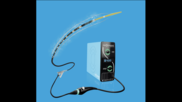
The OpusWave Dual Sensor Imaging System captures both IVUS and OFDI, providing users with two complementary views of the coronaries at the same time.

READ MORE >
Terumo OpusWave
Share on Twitter Share on Facebook Share on Linkedin

New York cardiologist performs first procedure in US with FDA-cleared imaging tech

Share on Twitter Share on Facebook Share on Linkedin
Terumo OpusWave
The OpusWave Dual Sensor Imaging System captures both IVUS and OFDI, providing users with two complementary views of the coronaries at the same time.
READ MORE >

FDA clears AI-enabled CCTA plaque analysis tool from Keya Medical

The company now has multiple FDA-cleared algorithms for evaluating CCTA results.

READ MORE >
Keya medical's plaque analysis and FFR-CT reports generated from a single CT scan.
Share on Twitter Share on Facebook Share on Linkedin

FDA clears AI-enabled CCTA plaque analysis tool from Keya Medical

Share on Twitter Share on Facebook Share on Linkedin
Keya medical's plaque analysis and FFR-CT reports generated from a single CT scan.
The company now has multiple FDA-cleared algorithms for evaluating CCTA results.
READ MORE >

Looking ahead to the future of FFR-CT

Current research suggests this technology is just getting started when it comes to transforming patient care.

READ MORE >
An example of the image quality from the new GE Photonova photon-counting CT system, where more detailed images of soft plaque and the ability to see through heavy calcium and stents is expected to improve CT-FFR assessments.
Share on Twitter Share on Facebook Share on Linkedin

Looking ahead to the future of FFR-CT

Share on Twitter Share on Facebook Share on Linkedin
An example of the image quality from the new GE Photonova photon-counting CT system, where more detailed images of soft plaque and the ability to see through heavy calcium and stents is expected to improve CT-FFR assessments.
Current research suggests this technology is just getting started when it comes to transforming patient care.
READ MORE >

Subtle heart changes linked to heightened risk of cancer

MRI-detected signs of cardiac remodeling may tell clinicians a thing or two about a patient's odds of developing certain cancers. Changes in heart muscle mass, for example, were linked to an increased risk of breast cancer. 

READ MORE >
heart data research doctor cardiologist AI
Share on Twitter Share on Facebook Share on Linkedin

Subtle heart changes linked to heightened risk of cancer

Share on Twitter Share on Facebook Share on Linkedin
heart data research doctor cardiologist AI
MRI-detected signs of cardiac remodeling may tell clinicians a thing or two about a patient's odds of developing certain cancers. Changes in heart muscle mass, for example, were linked to an increased risk of breast cancer. 
READ MORE >

New guideline standardizes echo guidance for mitral transcatheter edge-to-edge repairs

The new guideline emphasizes the importance of 3D multiplanar reconstruction for M-TEER to increase precision.

READ MORE >
ASE guidelines summary of recommended imaging steps for performance of M-TEER.
Share on Twitter Share on Facebook Share on Linkedin

New guideline standardizes echo guidance for mitral transcatheter edge-to-edge repairs

Share on Twitter Share on Facebook Share on Linkedin
ASE guidelines summary of recommended imaging steps for performance of M-TEER.
The new guideline emphasizes the importance of 3D multiplanar reconstruction for M-TEER to increase precision.
READ MORE >

Innovate Healthcare thanks our partners for supporting our newsletters.
Sponsorship has no influence on editorial content.

Interested in reaching our audiences, contact our team

*|LIST:ADDRESSLINE|*

You received this email because you signed up for newsletters from Innovate Healthcare.
Change your preferences or unsubscribe here

Contact Us  |  Unsubscribe from all  |  Privacy Policy

© Innovate Healthcare, a TriMed Media brand
Innovate Healthcare

Pagination

    • Current page 1
    • Page 2
    • Page 3
    • Page 4
    • Page 5
    • Page 6
    • Page 7
    • Page 8
    • Page 9 …
    • Next page Next ›
    • Last page Last »
  • Home
  • News
  • Article Archive
  • Custom Content
  • Webinars
  • Press Releases
  • Content Studio
  • Advertising
  • Submit Press Release
  • Contact Us
  • Terms of Use
  • Privacy Policy
  • Cardiovascular Business
  • HealthExec
  • Radiology Business
 
© 2026 Innovate Healthcare | All Rights Reserved. | Terms of Use | Privacy Policy
 
Design by Adaptive Theme
Trimed Popup